Onsite Sustainability
WATER CONSERVATION
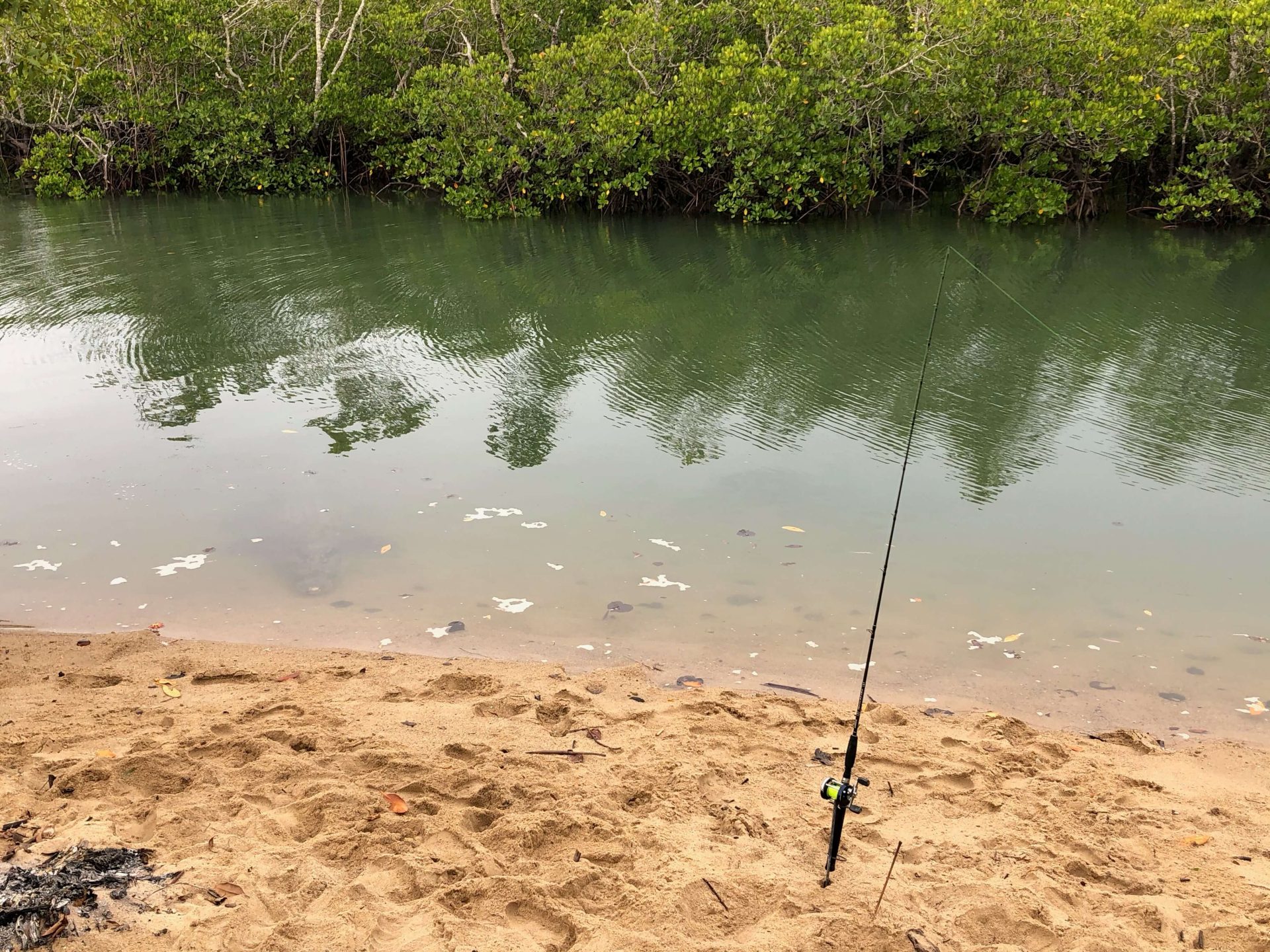
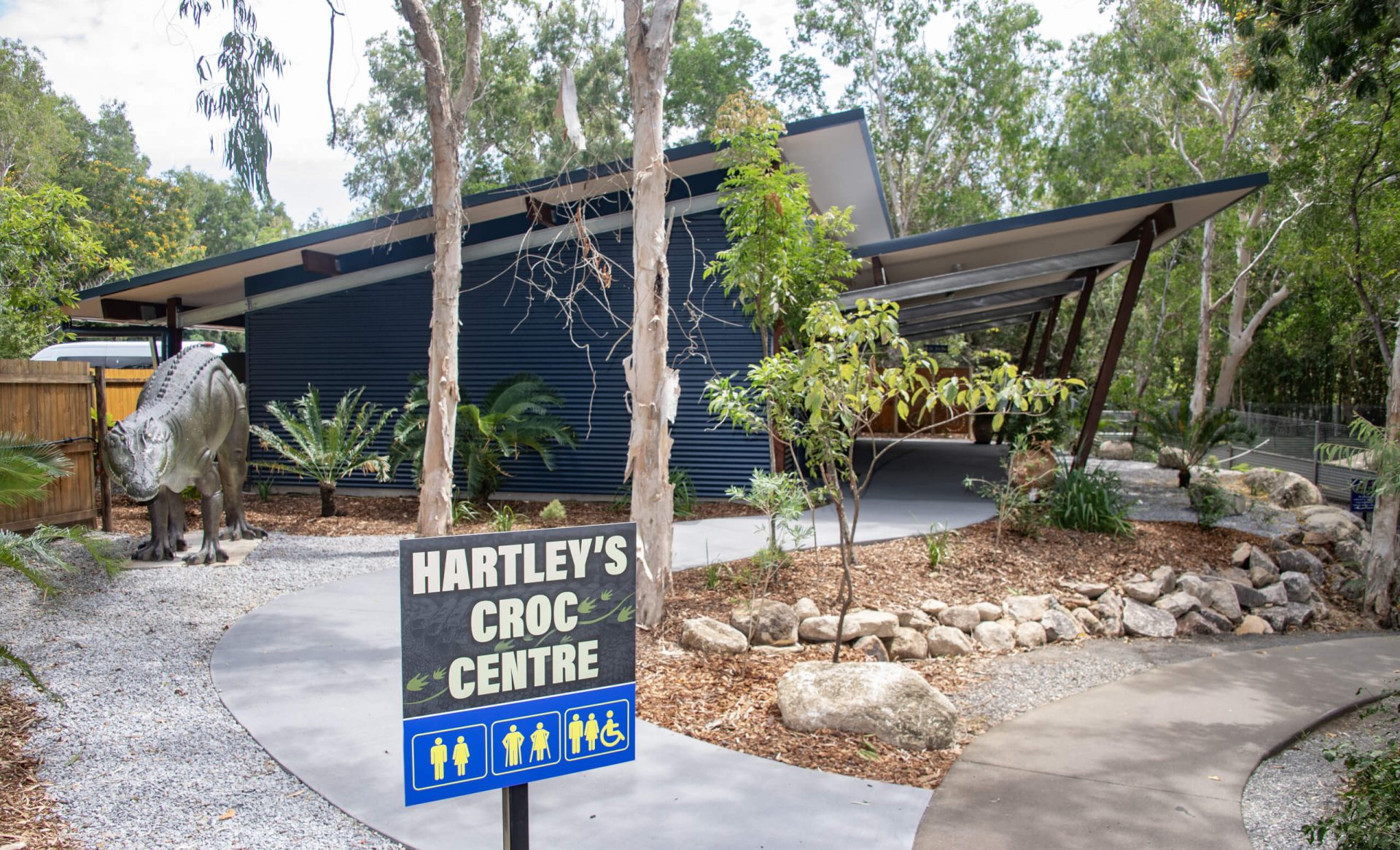
The tourism facilities rely on rainwater and water drawn from Hartley’s Creek as there is no town water supply. The buildings are designed to collect rainwater and divert it to storage tanks. The facilities feature waterless urinals, dual flush toilets and spring-loaded taps to reduce water usage.
ENERGY CONSERVATION
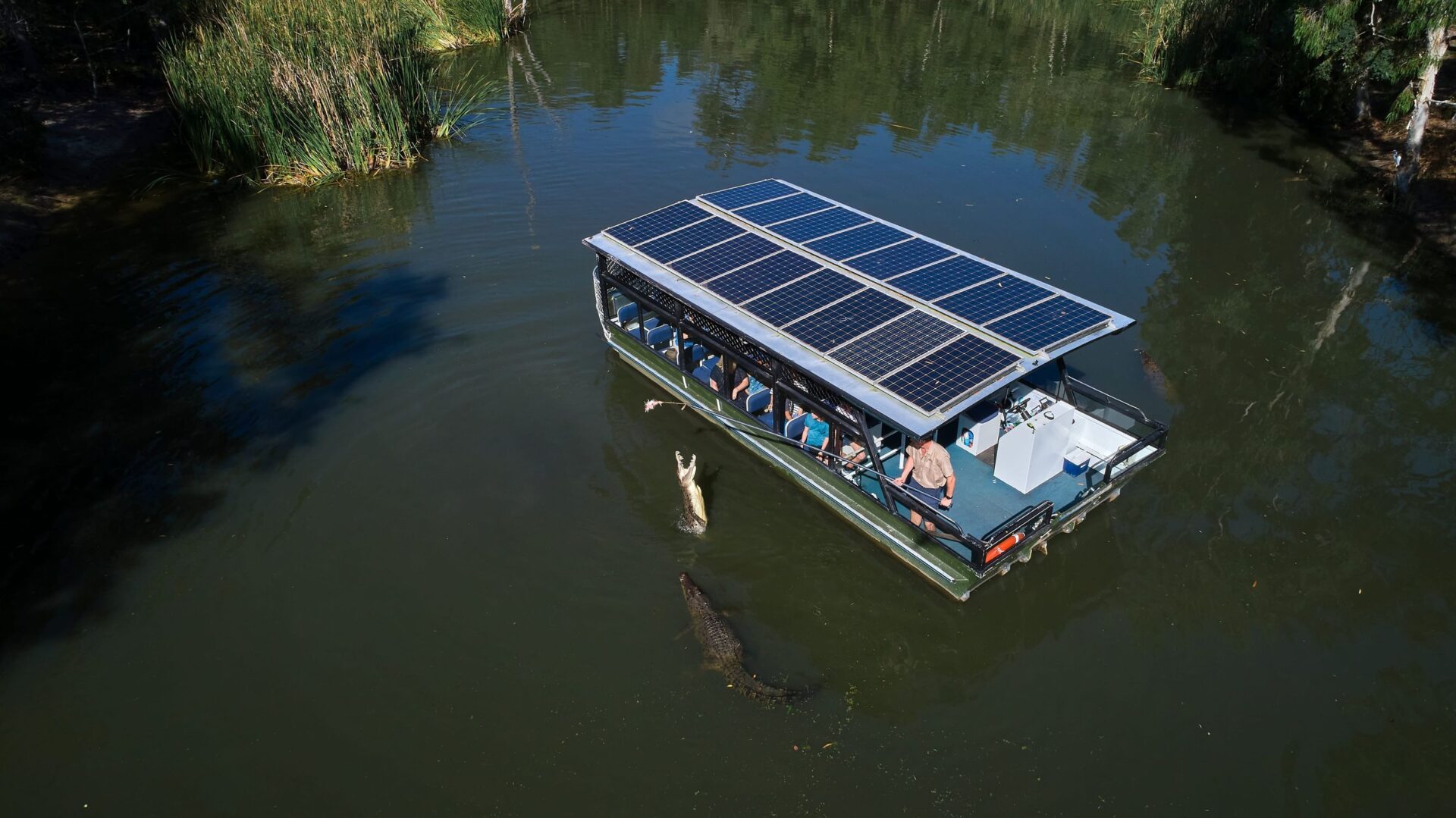
Insulated roof and wall panels reduce the reliance on air-conditioning. Exaggerated eaves reduce exposure to walls and windows from sunlight. The 295-panel solar photovoltaic system can produce 99Kw of electricity. The open design of Lilies Restaurant and Gondwana Grill allows for natural ventilation and lighting. Low voltage LED lighting is used throughout.
WASTE TREATMENT
The waste from the public toilets and restaurant is treated onsite, which is re-used for irrigation or supplementing water features. Water recovered from the crocodile farming operations is treated in man-made wetlands. The wetlands are aerated and planted with native water weeds to filter and reduce the nutritional load.
SOIL CONSERVATION
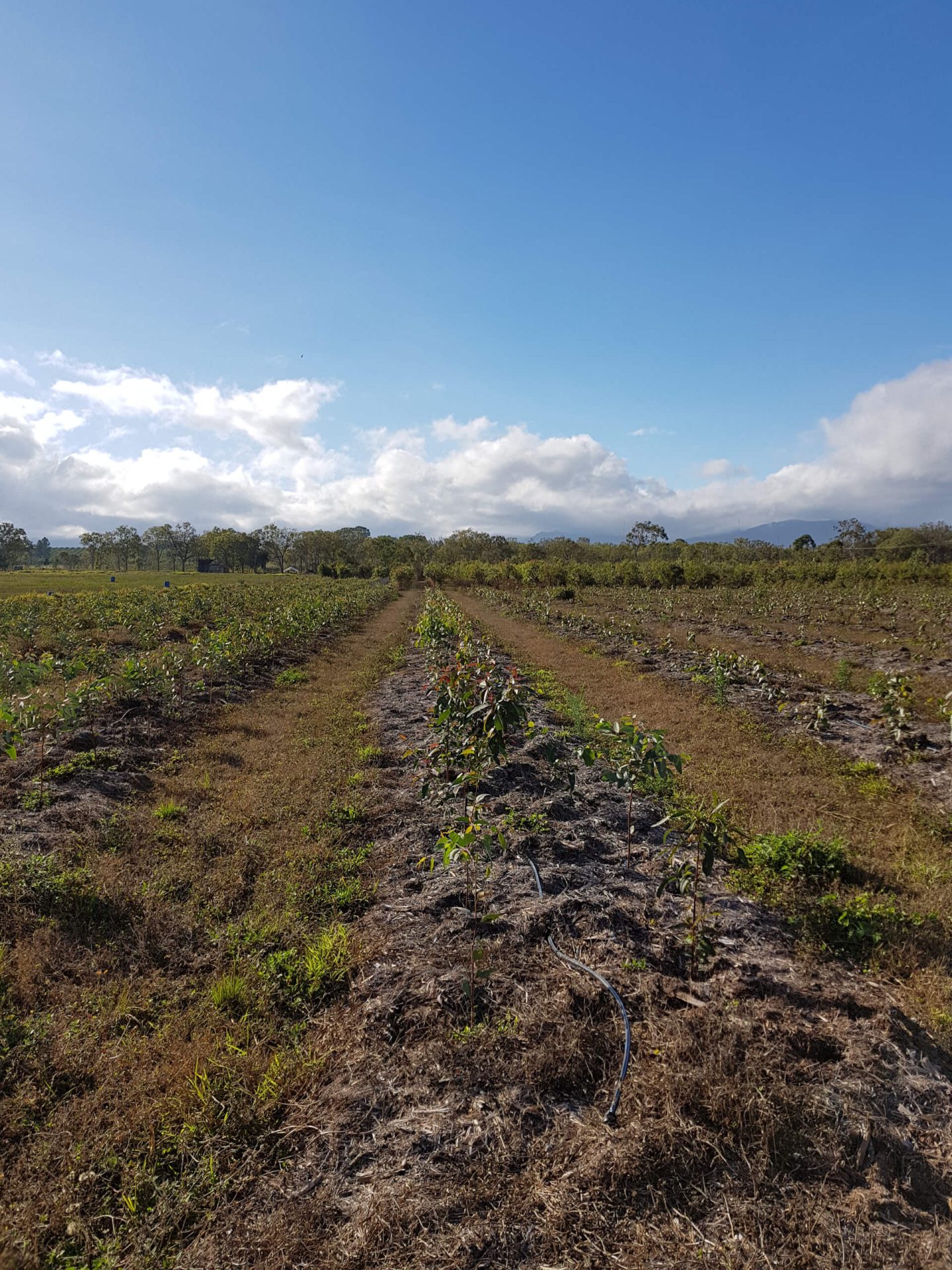
During construction, topsoil from the numerous building sites was removed and stockpiled and later used in revegetation, reducing the risk of contamination from exotic weeds in imported soils.
Organic fertilisers are used to promote microbiological growth. The landscaped areas are thickly covered with mulch to reduce water consumption and weed growth. Unwanted vegetative material is stockpiled, mulched and returned to the gardens.
REHABILITATION
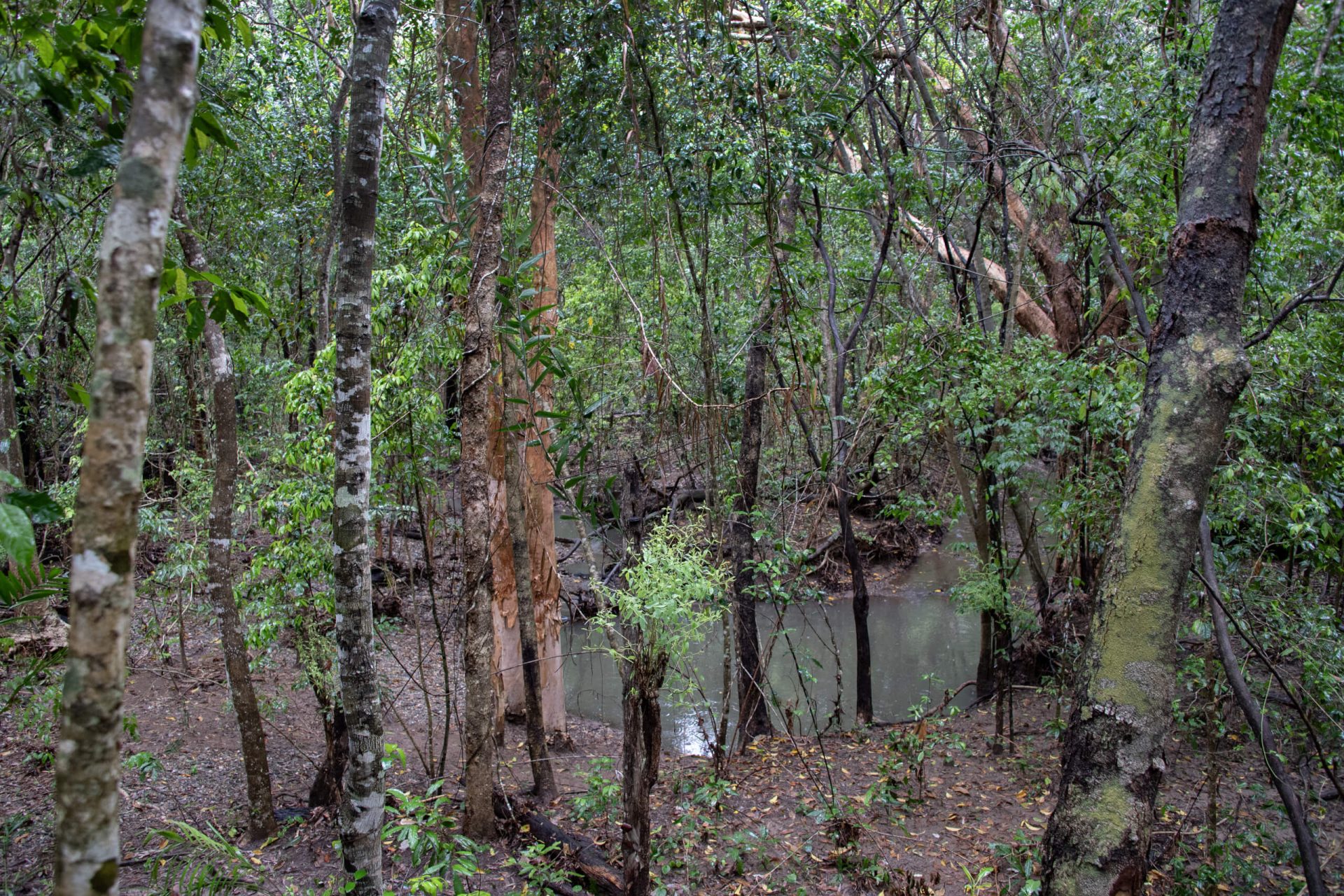
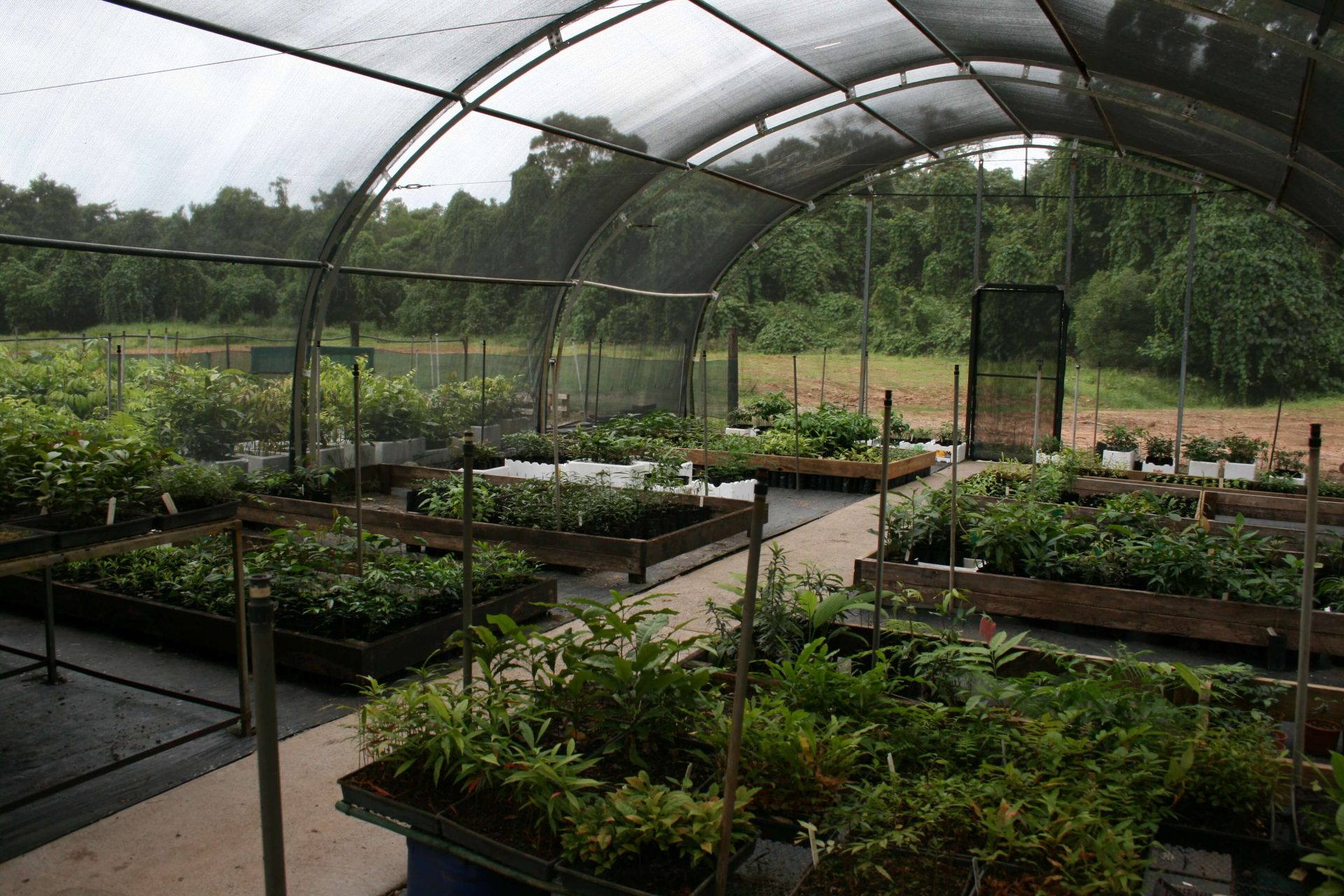
Over 7,000 native trees and shrubs have been planted on site. Many of the seedlings were raised from native plants found locally.
Hartley’s Lagoon is a man-made water feature, which is home to an abundance of wildlife including water birds, reptiles and aquatic species.
In partnership with Wet Tropics Management Authority, an environmental covenant protects 3.15 hectare of rare Notophyll Vine Forest, currently under restoration. We offer a tree planting program for student and special interest groups to support this conservation initiative.
RECYCLING
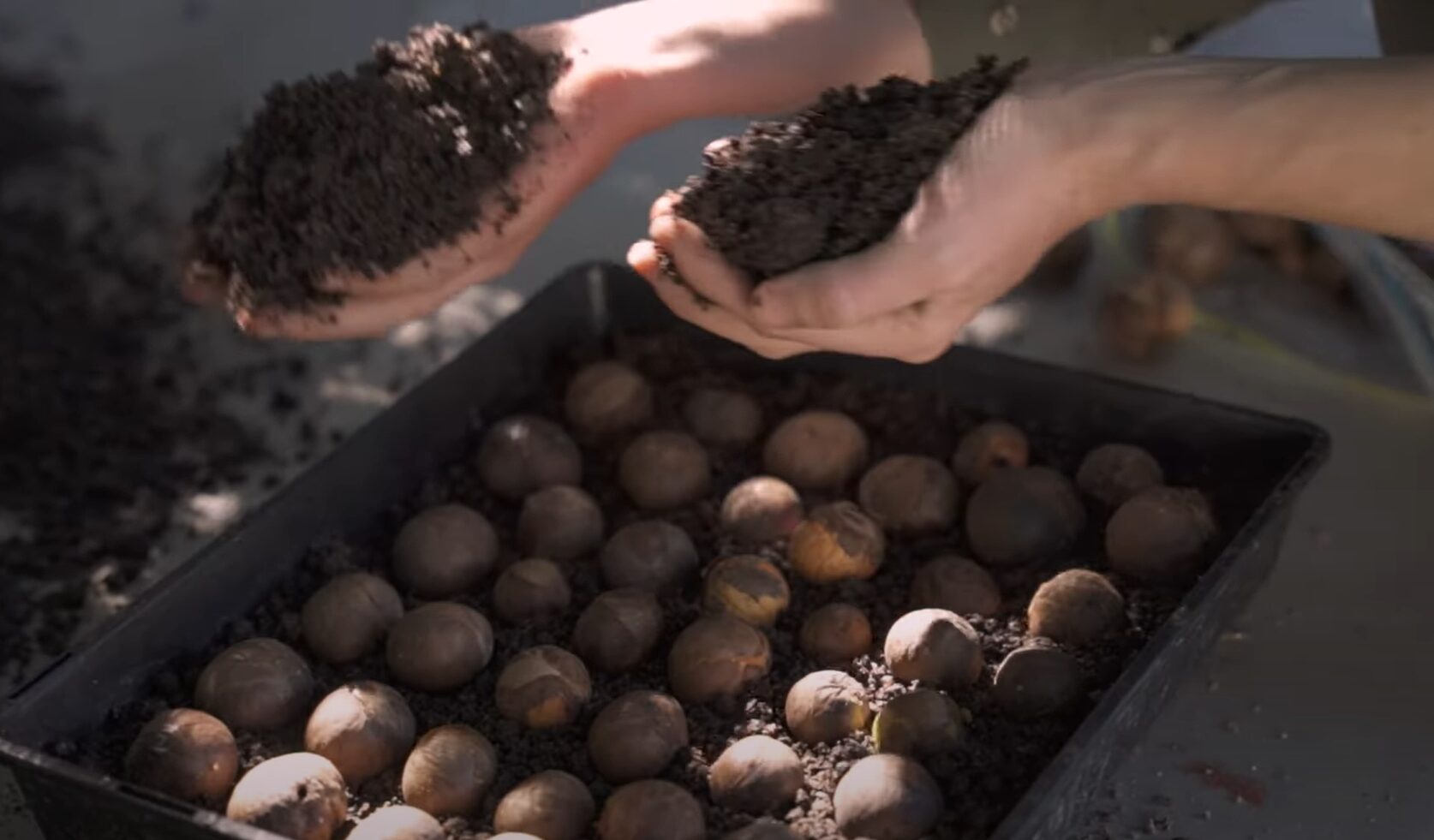
Cardboard from packing boxes is collected for commercial recycling. Plastic and glass bottles are collected receptacles and collected for recycling.
Treated wastewater is used for irrigation or replenishing water features. Cooking oil from the restaurant deep fryers is collected, filtered and reused as biofuel.
WASTE REDUCTION
The restaurant offers biodegradable cutlery and packaging for takeaway food and single use sauce sachets have been replaced with large dispenser bottles and cardboard bowls.
FIRE PROTECTION
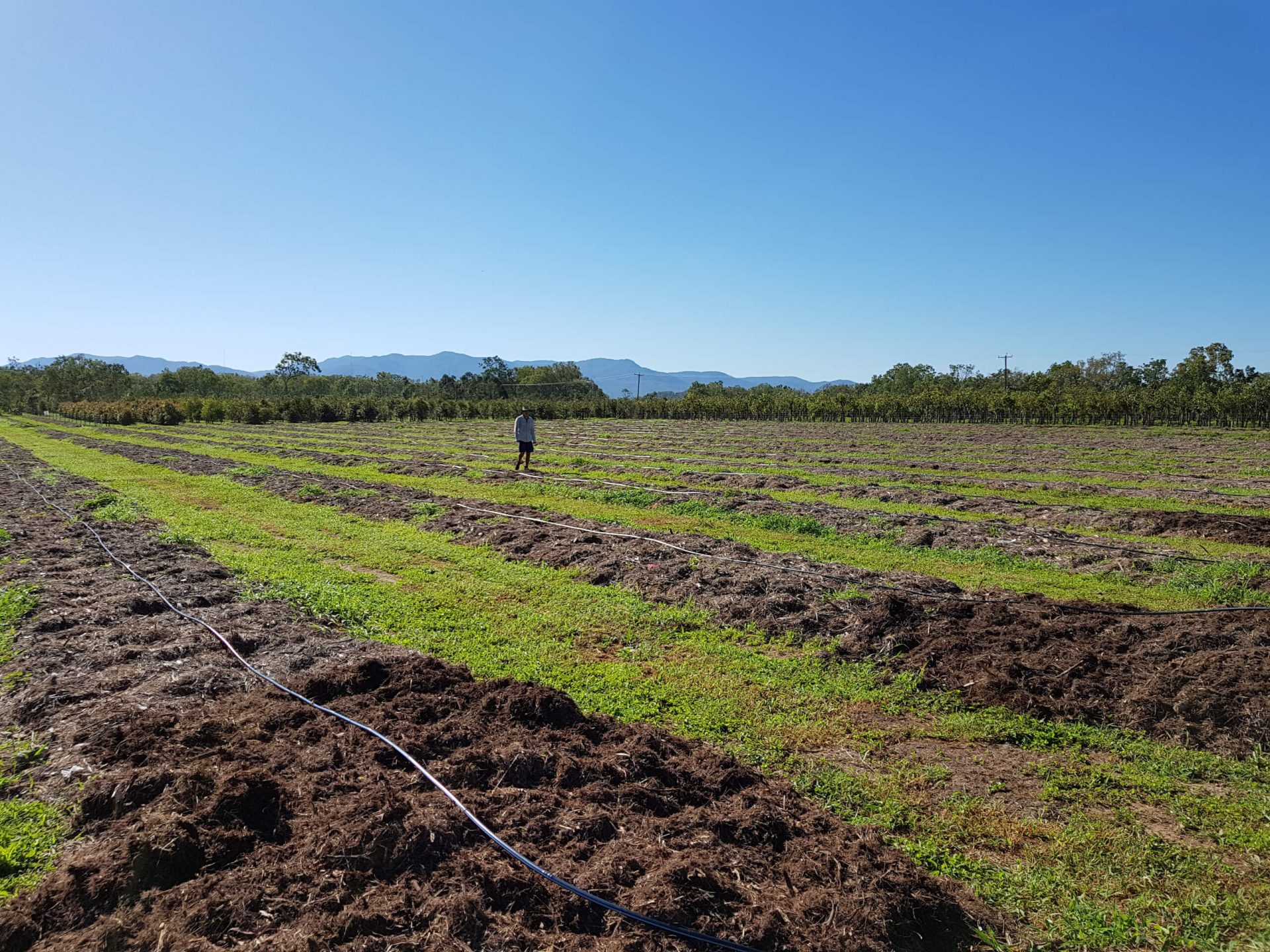
Our 29-hectare property is protected from bush fire by a mowed firebreak and onsite fire-fighting equipment. Controlled ‘cool’ burning reduces fire damage to trees and native grasses.